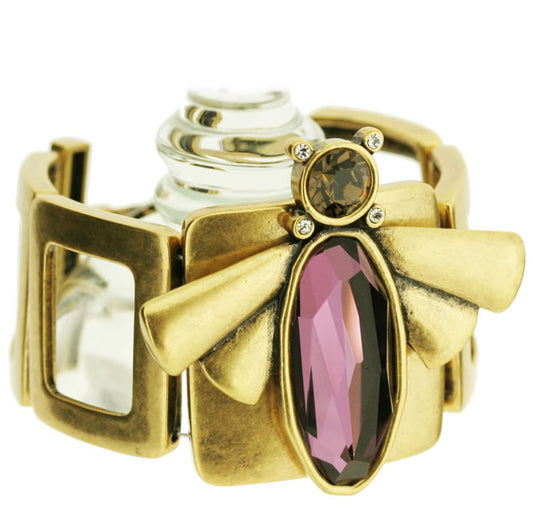
The Crystal Sculptural Era (2003–2011)
When Jewellery Became Form
Between 2003 and 2011, a distinct design language emerged in European fashion jewellery — one defined not by delicacy, but by structure. This was a period where jewellery became architectural. Stones were no longer accents. They became the form itself.
At Artyfax, we refer to this period as the Crystal Sculptural Era.
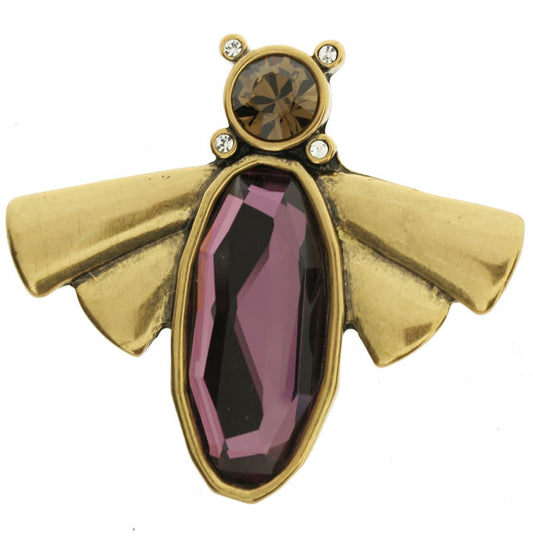
It was a moment when colour returned with confidence, surfaces deepened with oxidised finishes, and large bezel-set crystals were arranged not as embellishment, but as composition.
A Shift Away from Minimalism
The late 1990s had leaned toward restraint. Fine lines. Small stones. Understatement.
By the early 2000s, the mood changed.
Designers began working with:
- Large bezel-set crystals
- Multi-stone clusters
- Faceted glass with high light return
- Mixed metals — oxidised, silver-tone, gold-tone and copper finishes
- Layered depth and sculptural profiles
Instead of sitting flat against the body, pieces projected outward. Rings rose high. Earrings framed the face with dimensional sparkle. Necklaces were built in planes.
Jewellery no longer whispered — it held space.
Scandinavian and European Influence
Several key brands helped define this era:
- Pilgrim
- A&C Norway
- Konplott
While each had its own aesthetic language, they shared common ground:
- A focus on colour contrast
- Structured metal frameworks
- Dramatic crystal scale
- Confident use of oxidised finishes
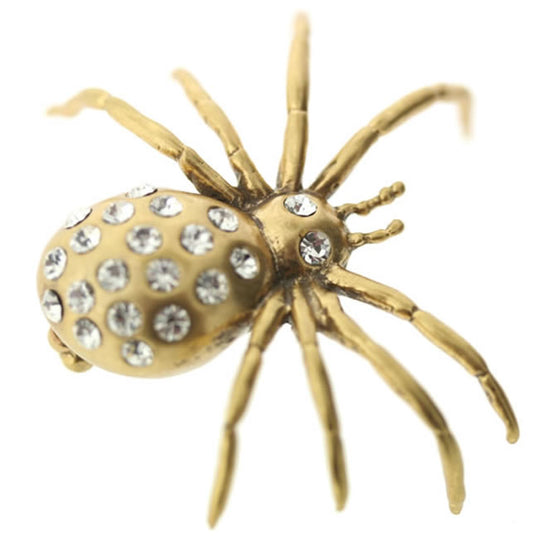
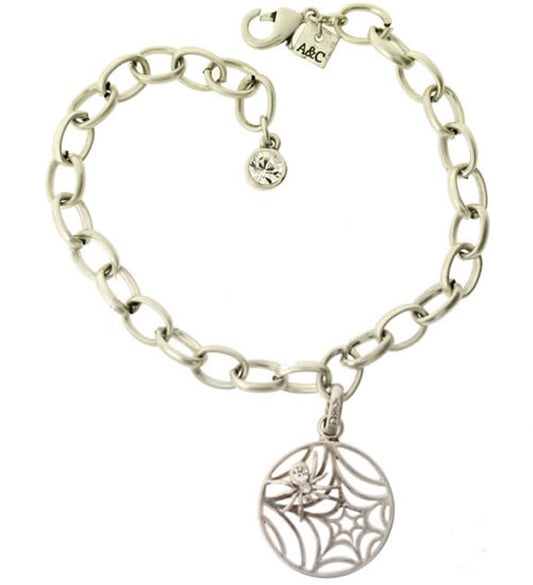
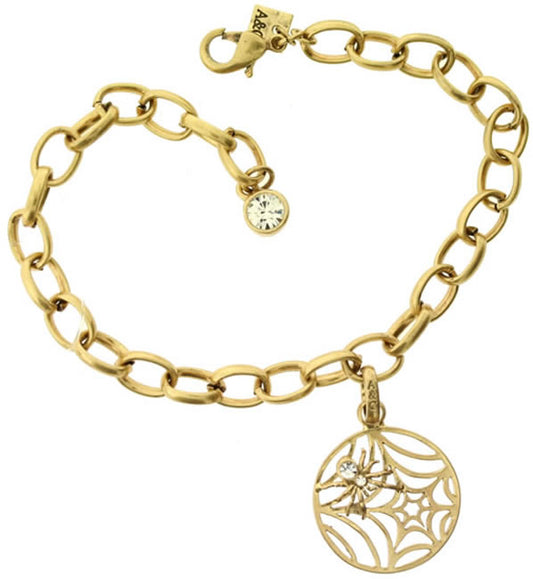
Pilgrim often embraced bold faceted stones set in strong outlines. A&C Norway leaned into decorative enamel and metal contrast. Konplott developed complex clustered arrangements that bordered on miniature sculpture.
This was not trend jewellery in the disposable sense. It was deliberate design.
The Metal Language of the Era
One defining characteristic of 2003–2011 jewellery was the treatment of metal.
Oxidised surfaces added shadow and depth. Silver-tone and gold-tone finishes were often juxtaposed. Copper hues warmed cooler crystal palettes. Rather than polished minimal bands, metals were shaped into frameworks — almost like scaffolding holding the crystal architecture in place.
The metal was not hidden. It was structural.
Bezel settings in particular became dominant. Instead of prong-set delicacy, stones were framed with authority — contained, defined, intentional.
Colour, Sparkle & Contrast
What strikes me most about this era is the interplay of colour and light.
Deep jewel tones against oxidised metal. Clear faceted glass against matte finishes. Cool silver beside warm copper. Transparency beside density.
Sparkle was used strategically — not as glitter, but as emphasis.
Clusters created movement. Facets fractured light across surfaces. Contrasts gave pieces weight.
Many designs from this period feel almost architectural in profile — built, layered, composed — rather than simply decorative.
They have presence.
Why It Still Feels Modern
One reason the Crystal Sculptural Era remains compelling today is that it anticipated the return of boldness we now see in contemporary fashion.
Large rings are once again embraced. Statement earrings frame the face. Colour is unapologetic.
But pieces from 2003–2011 carry something distinct: they were created before the Y2K revival cycle. They belong to the original moment — not a reinterpretation of it.
That authenticity gives them weight.
Recognising a Crystal Sculptural Piece
If you’re identifying jewellery from this era, look for:
- Large bezel-set crystals rather than small prong settings
- Layered or clustered stone arrangements
- Depth and height in profile
- Mixed metal finishes
- Strong colour contrast
- Faceted glass with high light return
These are hallmarks of the period.
Curated by Artyfax
At Artyfax, pieces from 2003–2011 are selected not simply for brand name, but for form — for sculptural integrity, colour balance, and structural presence.
The Crystal Sculptural Era represents a confident chapter in early 21st-century jewellery design — one where form, sparkle, and contrast were brought into deliberate alignment.
It was a time when jewellery was built, not just worn.