Studio Glass Influence (2003–2011)
When Jewellery Borrowed from the Furnace
Between 2003 and 2011, alongside bold crystal architecture, another quieter but equally expressive current emerged — the influence of studio glass.
While the Crystal Sculptural Era was defined by bezel-set sparkle and structured metal frameworks, the Studio Glass Influence was about depth, internal light, and surface texture.
This was jewellery that looked molten, layered, almost geological.
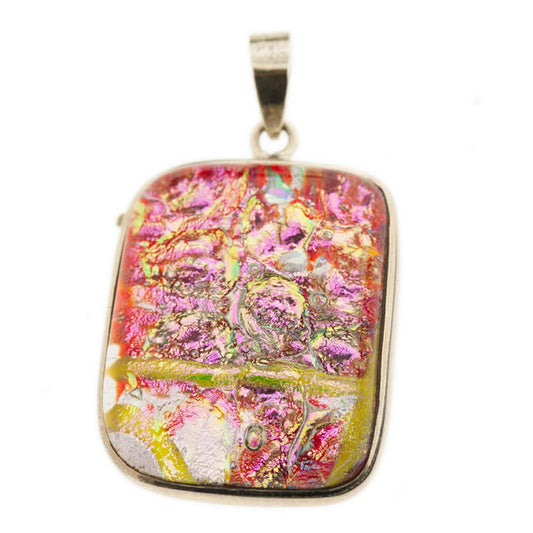
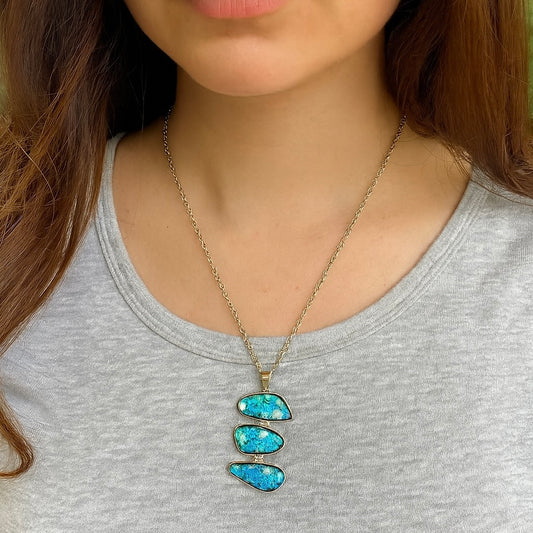
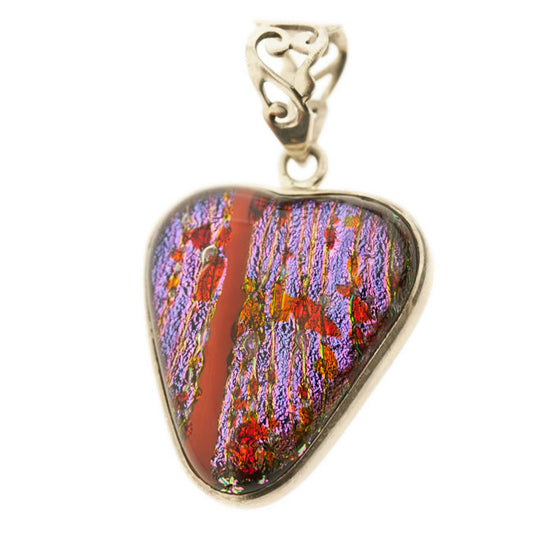
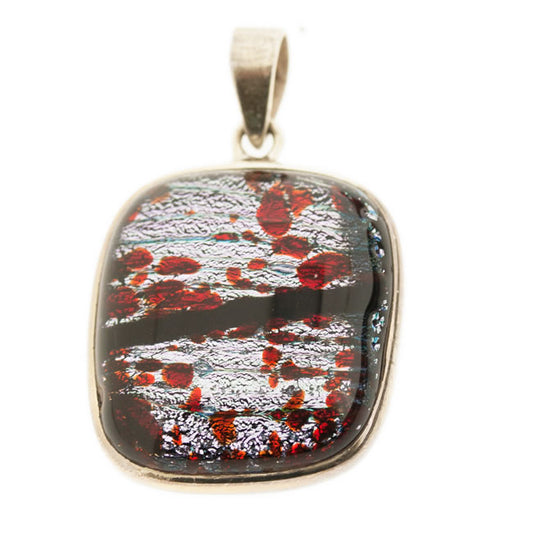
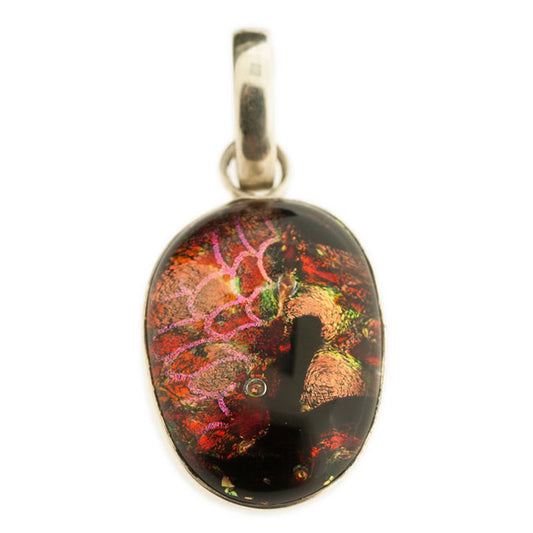
At Artyfax, many pieces from this period are defined by dichroic glass, alongside sculptured glass elements used by brands such as A&C Norway.
What Is Dichroic Glass?
Dichroic glass is created by layering microscopic metallic oxides onto glass surfaces. The result is a material that shifts colour depending on light angle.
Unlike faceted crystal, which reflects light outward, dichroic glass appears to hold light within.
You’ll often notice:
- Oil-slick colour shifts
- Iridescent flashes
- Layered depth beneath a smooth surface
- Subtle texture within the glass
The surface may appear simple at first glance, but under movement it becomes complex.
From Studio Furnace to Wearable Form
The late 20th century saw a rise in independent studio glass artists working outside industrial production. By the early 2000s, that aesthetic filtered into fashion jewellery.
Rather than highly cut stones, designers began using:
- Sculptured glass cabochons
- Organic shapes
- Irregular surfaces
- Layered colour trapped inside glass
This gave jewellery a softer, more fluid profile compared to the architectural bezel-set crystal pieces of the same era.
A&C Norway and Sculptured Glass
A&C Norway incorporated sculptured glass elements that feel almost carved rather than cut.
Their pieces often combine:
- Textured or shaped glass
- Oxidised or silver-tone metal frameworks
- Subtle colour transitions
The result is neither purely crystal nor purely enamel — but something more tactile.
These designs sit between art object and adornment.
Light Behaviour: Reflection vs Internal Glow
Where large faceted crystals throw light outward in sharp flashes, studio glass behaves differently.
Dichroic and sculptured glass:
- Diffuse light
- Shift colour as you move
- Create depth rather than sparkle
- Offer glow rather than glitter
It’s a quieter drama — but no less intentional.
Texture & Surface
Another defining trait of this period’s studio glass influence is texture.
Many pieces feature:
- Slightly uneven surfaces
- Domed cabochons
- Internal striations
- Layered metallic sheens
These details give each piece individuality. No two behave identically under light.
There is unpredictability — and that is part of the appeal.
Colour in Layers
Unlike single-tone crystal stones, dichroic pieces often hold multiple colours within one form.
You might see:
- Blues shifting into violet
- Greens flashing copper
- Bronze tones appearing beneath silver
Colour is not applied — it is embedded.
That layered complexity gives these pieces a strong visual identity, even when the overall form remains simple.
Recognising Studio Glass Influence (2003–2011)
If you’re identifying jewellery from this period, look for:
- Smooth domed glass rather than faceted cuts
- Iridescent or shifting surface colour
- Organic or sculpted forms
- Light that appears internal rather than reflective
- Metal acting as a frame rather than structural architecture
These pieces often feel more fluid and less rigid than the Crystal Sculptural Era — but they share the same commitment to material presence.
Curated by Artyfax
At Artyfax, studio glass pieces from 2003–2011 are selected for depth, colour integrity, and sculptural balance.
They represent a moment when jewellery absorbed influences from independent glass studios and translated them into wearable design — not mass glitter, but material exploration.
Where crystal architecture is bold and structural, studio glass is layered and luminous.
Both belong to the same era — but they speak different dialects of light.