Decorative Enamel in the 2000s: Colour, Surface and Sculptural Form
Decorative Enamel in the 2000s: Colour, Surface and Sculptural Form
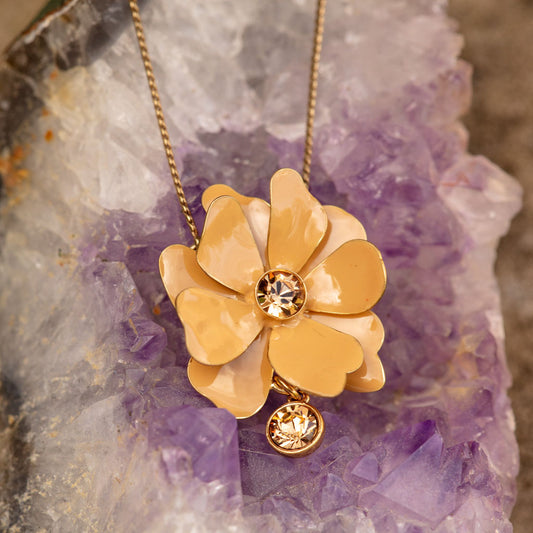
Between 2003 and 2011, decorative enamel became an important part of mid-2000s statement jewellery. While oversized crystals and studio glass often defined the era visually, enamel added something equally powerful — saturated colour, graphic surface and structural contrast.
Brands such as A&C Norway and Pilgrim incorporated enamel into bold rings, pendants and earrings, using it not as delicate embellishment but as a confident design feature.
A&C Norway: Sculptural Enamel and Strong Colour
A&C designs from this period often paired enamel with sculptural metal frameworks. Deep reds, rich turquoise, jet black and vibrant lime were framed within silver-tone or oxidised settings, creating pieces that felt architectural rather than decorative.
The enamel was rarely subtle. It was used to define shape, emphasise line and balance larger proportions — particularly in statement rings where colour became the focal point.
Pilgrim: Graphic Surfaces and Colour Blocking
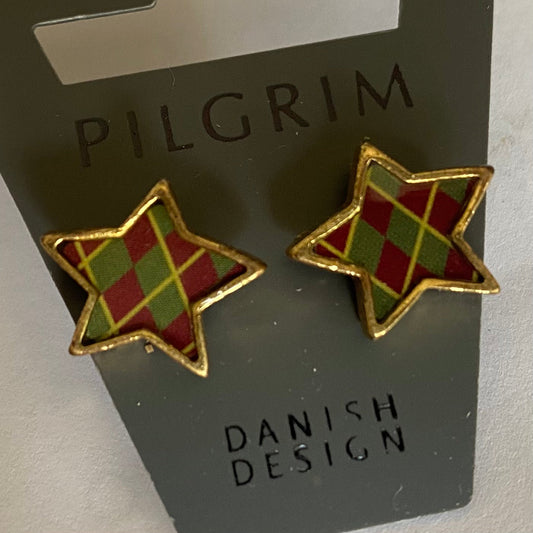
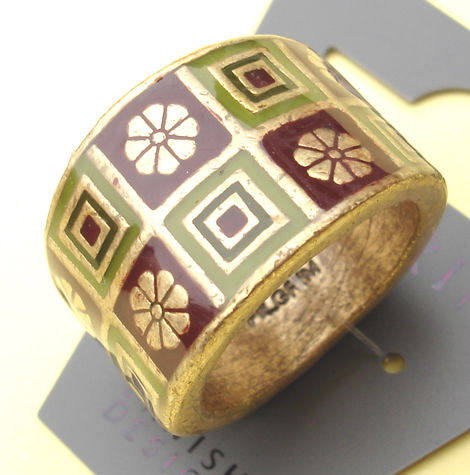
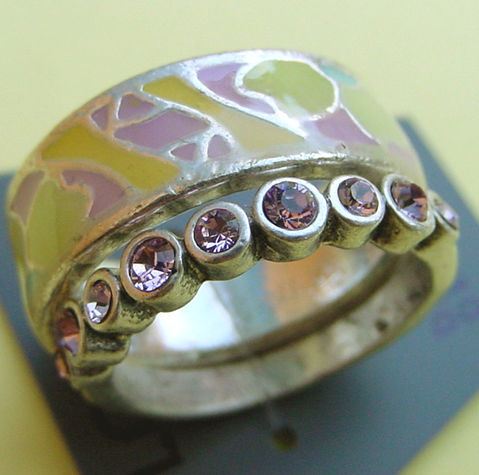
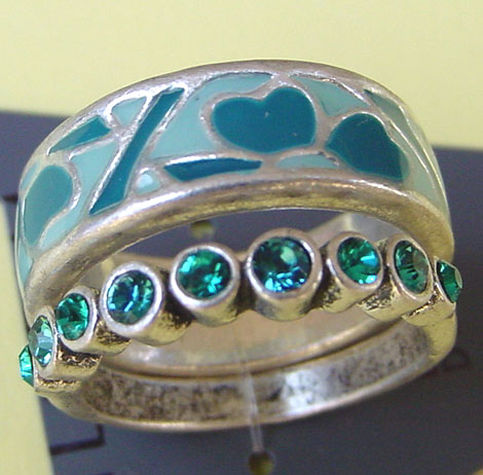
Pilgrim’s mid-2000s collections frequently explored colour blocking and surface contrast. Enamel was used alongside crystals and faceted glass to introduce depth and visual rhythm.
Clean divisions of bold colour — red against gunmetal, turquoise beside silver, black framed in polished metal — reflected the wider design confidence of the era.
Enamel as Structure, Not Ornament
Unlike traditional vintage enamel styles, which often prioritised fine detail, mid-2000s enamel was integrated into larger sculptural forms. It filled geometric shapes, domed surfaces and architectural settings.
Metal provided strength. Enamel delivered presence. Together they created jewellery that felt substantial without becoming heavy.
Surface, Texture and Contrast
Enamel during this period was not always flat and glossy. Layered applications, subtle texture and contrast between matte and shine added dimension to bold designs. When paired with crystals or glass, enamel offered a visual counterbalance — solid colour against sparkle.
Collecting Mid-2000s Enamel
For collectors, decorative enamel from the 2003–2011 period represents a distinct design language. Look for strong colour clarity, minimal chipping, secure settings and balanced construction. Because these pieces were made for regular wear, well-preserved examples retain their sculptural impact.
A Defined Era of Colour Confidence
Decorative enamel was not an afterthought in mid-2000s jewellery — it was part of a wider movement toward bold proportion, graphic clarity and material experimentation. Alongside crystal, resin and studio glass, enamel helped define a period of expressive design.
Today, these pieces feel both nostalgic and contemporary — authentic examples of a time when colour, surface and structure aligned with confidence.